
by Madison Mayhew
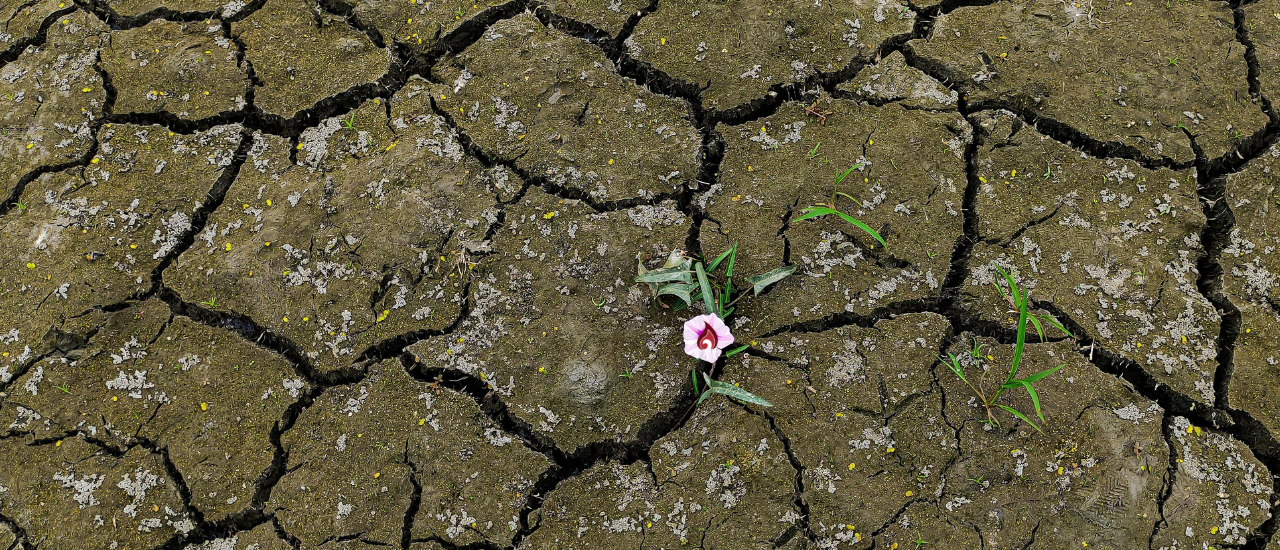
Earth Day is a special day to honor and celebrate the joys of our home planet—to remember Creation as God’s first cathedral. And yet, in this remembering, we must also bear witness to ways in which Creation is groaning.
Creation groans as our neighbors and our public lands experience violence at the hands of the state.
Creation groans as communities face rising energy bills as world leaders expand fossil fuels instead of investing in cheaper, cleaner renewable energy.
Creation groans as historically marginalized people and precious ecosystems bear the brunt of regulatory rollbacks that address toxic pollution.
Creation groans as our elected officials choose to line the pockets of greedy corporations instead of protecting sacred Indigenous land from desecration.
As we lament these harms, we know this is the tip of the iceberg. From rolling back key regulations that protect public health like the endangerment finding, decimating standards for pollution and air toxics, and unleashing new opportunities for oil and gas companies to drill on protected lands, it is clear that this administration doesn’t care about protecting God’s creation.
In Congress, legislators are looking to expand extractive industries like deep sea mining and oil and gas drilling in protected areas. A lesser known Congressional tactic called the Congressional Review Act (CRA), designed to allow Congress to review federal regulations, is now being used to attack our public lands, placing sacred landscapes and national monuments at risk. Congress is abusing the CRA to review public land management plans created through years of public meetings and stakeholder input that guide how national monuments and other protected lands are used and conserved. By classifying these plans as “rules,” lawmakers can nullify them with a simple majority vote and prevent future administrations from issuing similar protections.
As we grieve these collective losses, and bear witness to the groaning of Creation, I am reminded of the power of community in this moment. In adrienne marie brown’s work in emergent strategy, she asks the question: “How do we cultivate the miracle of radical imagination needed to dream together beyond fear?” Faith communities have an incredible role to play in this work of radical imagination—many of you are already leading the charge. In fact, there is research that shows that expanding our imaginations and demonstrating alternative pathways is an essential tool to fighting authoritarianism.
Now, more than ever, telling stories is vital to push back on these harmful policies. Do you have a mutual aid program or community garden? How can you tell the story of how your congregation is living out your values of caring for creation to your elected officials? Telling your stories also gives examples of what is possible beyond current systems of oppression.
Together, we can address these harmful policies, even if it’s speaking out against them and building a base for future action. Contacting your elected officials and sharing your concerns is still valuable—regardless of their position, their constituents’ concerns matter to them, especially as faith leaders. If you’re interested in taking your advocacy to the next level, Creation Justice Ministries can support you in your journey.
This Earth Day, may our grief be turned towards action. Together, we can expand our collective imagination to build a world beyond fear—where ALL of Creation can thrive.

Madison Mayhew is the Policy and Advocacy Manager of Creation Justice Ministries. She brings extensive experience in faith-based environmental federal advocacy work and a deep commitment to climate justice. Madison joins CJM from the National office of Interfaith Power & Light, where she most recently served as Federal Policy Manager supporting a network of over 40 IPL affiliates in advancing environmental policy. She previously worked with the UCC’s Washington DC Advocacy Office, IPL’s DC, Maryland, and Virginia affiliate, and served as the co-chair of the Energy and Ecology Working Group of the Washington Interfaith Staff Community. Madison has a Masters Degree in Social Work from Washington University in St. Louis and a Bachelors of Social Work from Lipscomb University. She is based in Baltimore, Maryland, where she enjoys watching birds with her spouse and exploring her creativity through sewing, crafting and photography.


Recent Comments