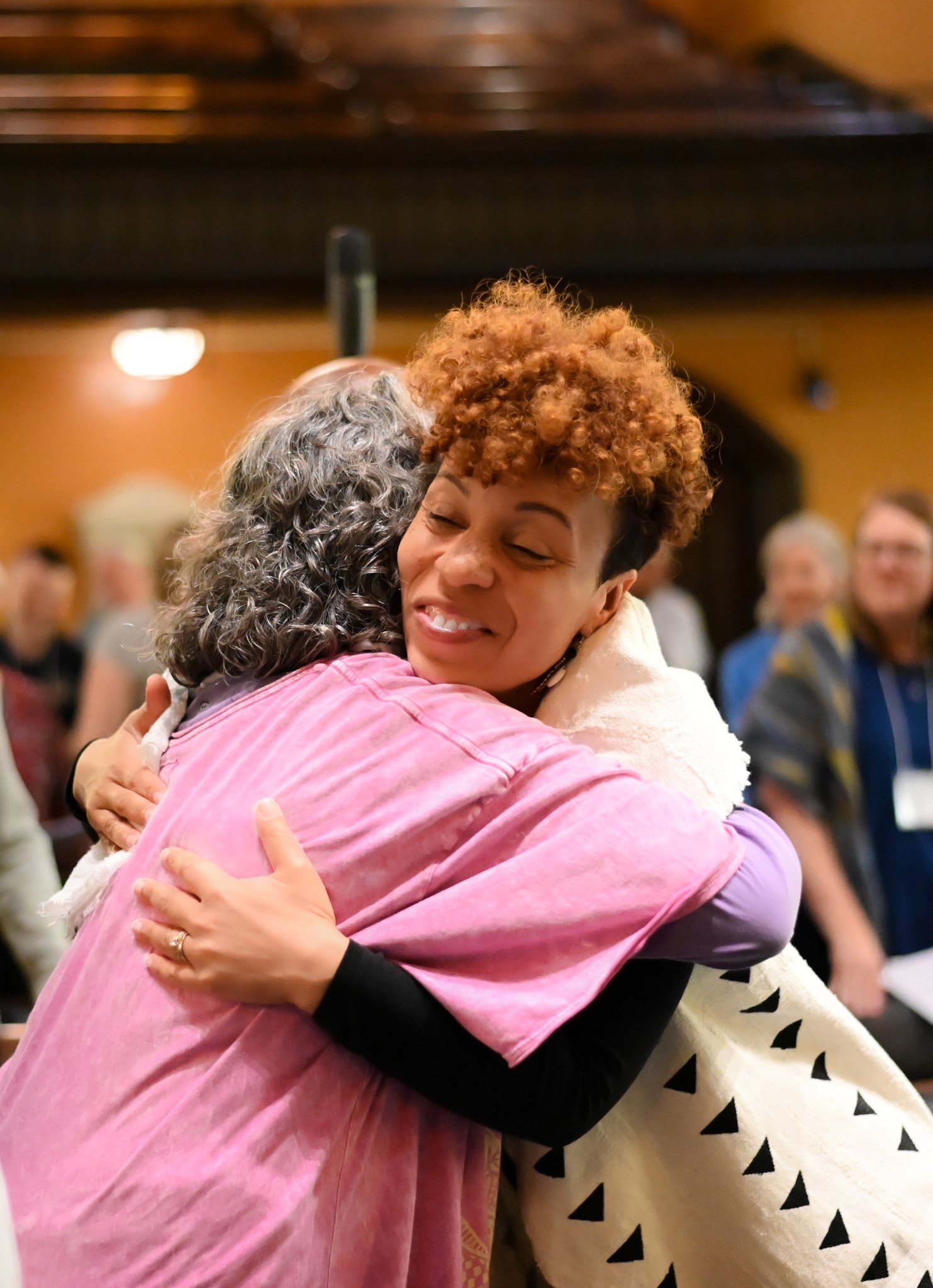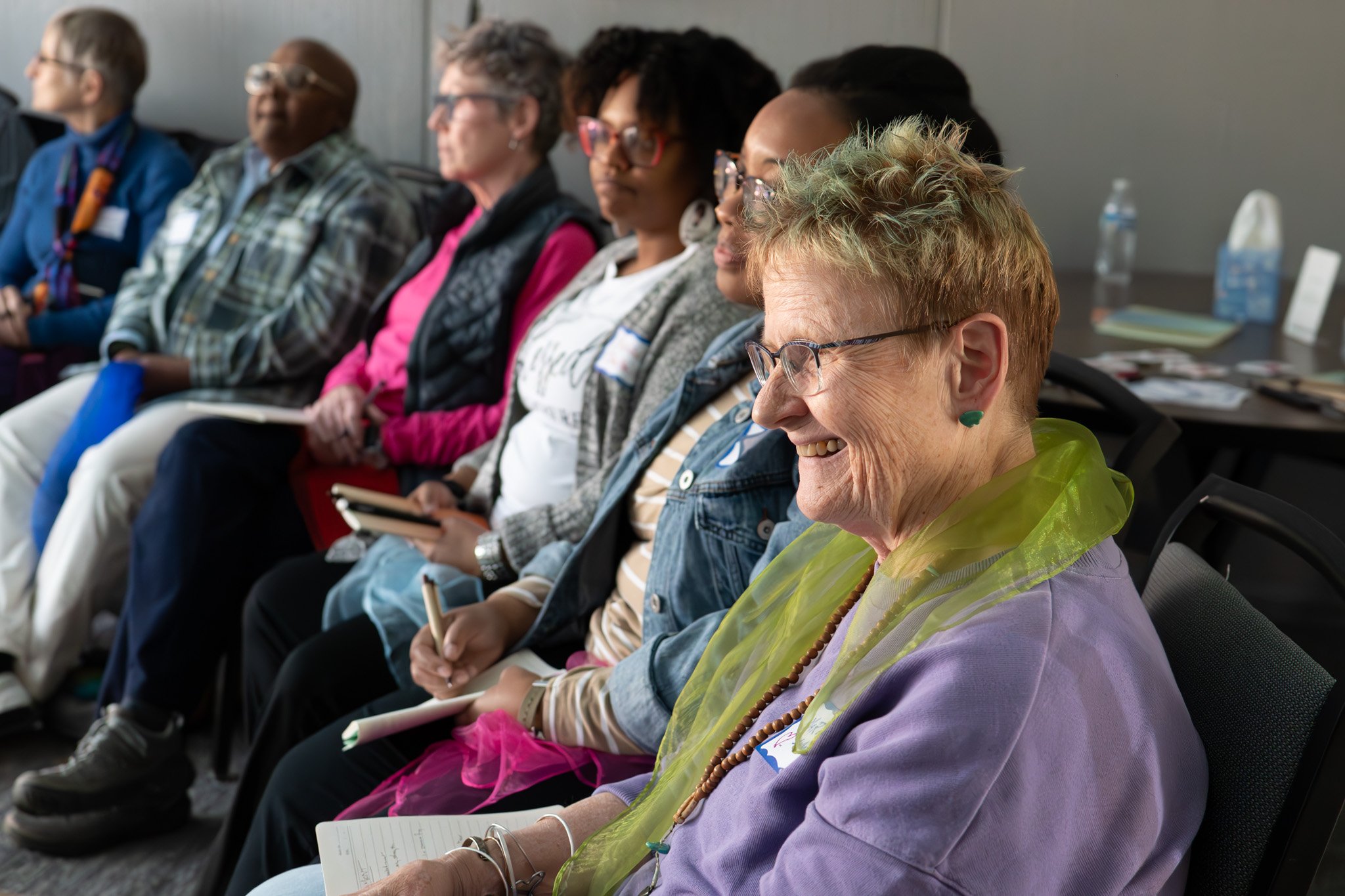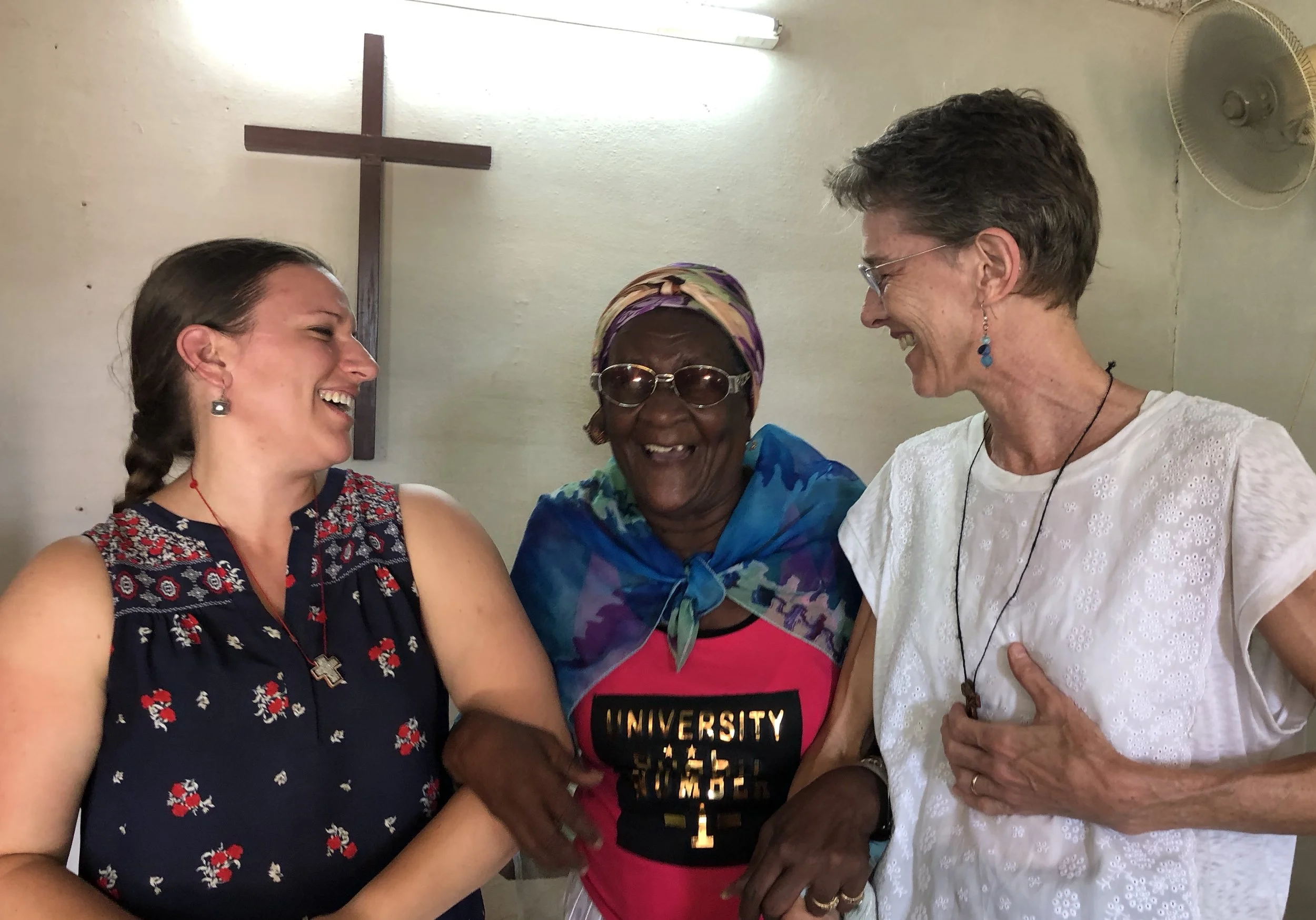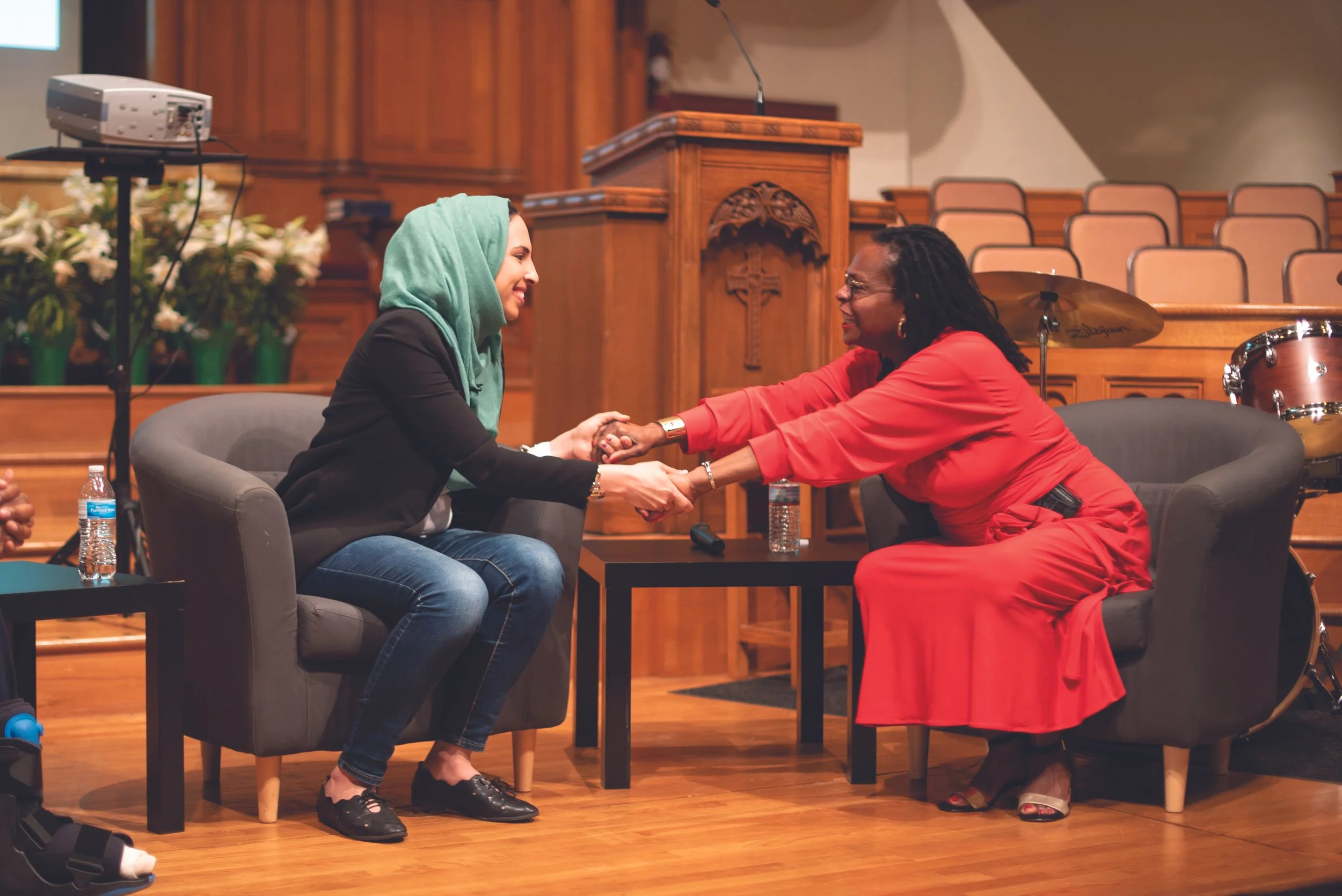

Earlier this year at our Alliance of Baptists gathering, Christena Cleveland invited us to encounter the Black Madonna—the Sacred Black Feminine who has been sought out by the marginalized for over a thousand years. These are the deep brown-skinned images of Mary found in hundreds of shrines across the world. For me, my encounter with the Black Madonna came when I was feeling discouraged and overwhelmed—by our political landscape, by global conflicts, by so much suffering. I felt too exhausted to keep believing in a distant deity. But the Black Madonna gave me someone I could actually look to again. For the first time in years, I felt hope.
As we light the fourth candle of Advent—the candle of Love—the Black Madonna calls to us with particular urgency. Because if Advent is about preparing to receive Love incarnate, we must reckon with the kind of love we’re actually expecting.
The world right now aches for love. But not the sanitized, sentimental love of Hallmark holiday movies. Not the kind of love that looks away from suffering or pretends everything is fine if we just keep our chins up. Not the love that asks the vulnerable to wait patiently for justice while the powerful consolidate their control.
We need the fierce, embodied, unflinching love of the Black Madonna. This is the love Mary said yes to on that first Advent: a love that would cost her everything. She agreed to bear God into a world of brutal occupation, state-sanctioned violence, and crushing poverty. She said yes knowing that her people were desperate, that her unmarried pregnancy would bring shame, that the empire would see her son as a threat. She bore Love incarnate not in a palace, but in a stable; not among the powerful, but among shepherds and animals; not in safety, but as a refugee fleeing for her child’s life.
The Black Madonna reminds us that Mary was never the pale, passive, docile figure that white patriarchal Christianity has made her out to be. She was a brown-skinned, colonized woman who sang a revolutionary song about the God who brings down the powerful and lifts up the lowly, who feeds the hungry and sends the rich away empty. Her love was not sentimental—it was subversive. It was dangerous. It changed the world.
Christena Cleveland writes that the Black Madonna “has a special love for the most marginalized because She too has known marginalization. She is the God who cherishes our humanity and welcomes our fears, vulnerabilities, and imperfections.” This is Advent love: love that doesn’t recoil from our need but runs toward it. Love that doesn’t demand we be perfect before we’re worthy of embrace. Love that meets us in our mess and says, “You are sacred. You are beloved. You matter.”
This is what makes Advent love so radical, so dangerous, so necessary. It is love that makes a choice about where to show up and who to accompany.
But here’s the difficult truth: this love requires something of us. The Black Madonna doesn’t just comfort us—she calls us to embody her fierce, justice-seeking love in the world. As Christine Valters Paintner shares, Mary “offers us a love in which she unequivocally claims that every oppressed person should be nourished, cherished, and welcomed. She compels us to act for justice out of this witness of expansive love.”
The Black Madonna loves our bodies, affirms our bodies, speaks to us through our bodies. This is crucial in a season when so many bodies are under threat—Black and brown bodies, women’s bodies, trans bodies, disabled bodies, immigrant bodies. Advent love is embodied love. It doesn’t float above human suffering—it enters into it, takes on flesh, becomes vulnerable, and risks everything.
As we light the fourth candle, we remember that Mary’s love brought the Light of the World into being. This is the love we need now. Love that doesn’t flinch. Love that shows up in the darkest places. Love that refuses to abandon the vulnerable. Love that subverts empire and centers the marginalized. Love that acts.
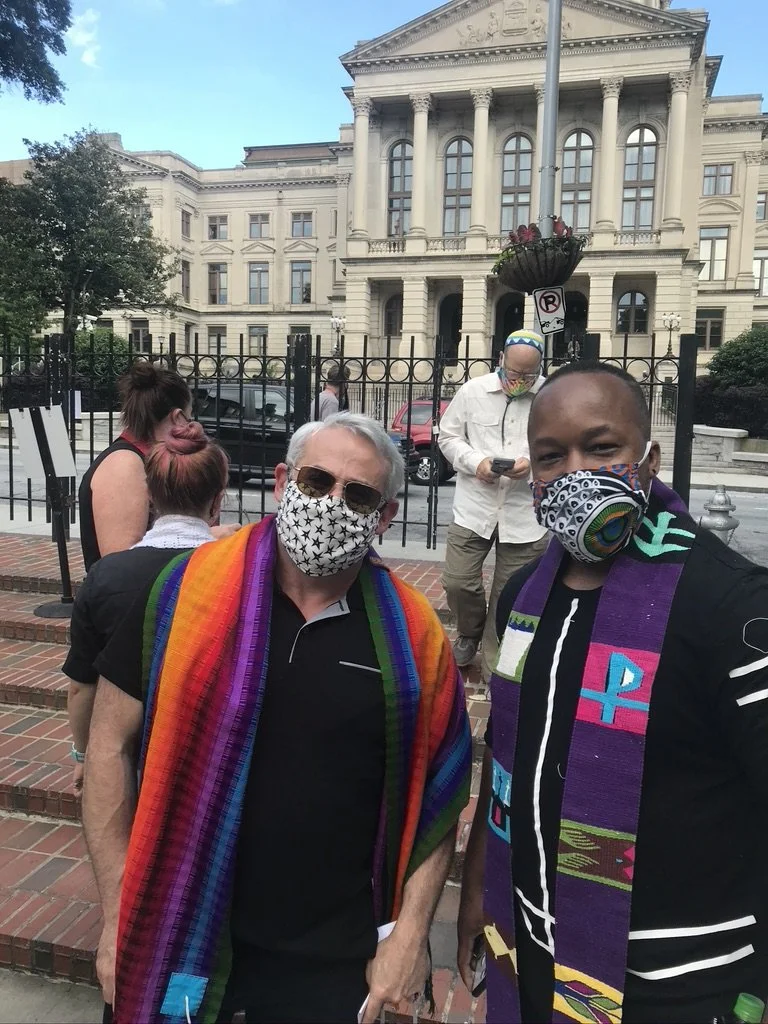
In my own city and state, ICE has been conducting raids, tearing families apart, and creating terror in immigrant communities. What does Advent love look like in the face of this? It looks like protesting and showing up at churches offering sanctuary, accompanying people to immigration hearings, and refusing to look away when the vulnerable are hunted.
The Black Madonna teaches us a different spirituality of darkness. She is, as Cleveland writes, “the dark-skinned Holy Woman who is never afraid of any dark.” She meets us in our deepest pain and doesn’t try to rush us toward false comfort or demand that we move quickly back into the light. She holds us in the fertile darkness where growth happens, and, from there, illuminates the path forward, calling us to participate in the transformation of the world.
So, as we prepare for Christmas, let us prepare to receive a love that is black and brown and beautiful. A love that is fierce and maternal and uncontainable. A love that demands justice and practices mercy and walks humbly alongside the oppressed. A love that enters the world not through power but through vulnerability, not in palaces but in mangers, not among the elite, but among shepherds and refugees.
Let us prepare to receive and to become the embodied, incarnate, subversive Love of the Black Madonna. The love that abides. The love that acts. The love that transforms everything it touches.Come, Divine Love. Come, Sacred Black Feminine. Come and dwell among us. Come and show us what love really looks like, and give us the courage to bear that love into the world.

Rev. Amy Canosa is a certified pastoral educator endorsed by the Alliance of Baptists, where she serves on the Board of Directors, Endorsement Committee, and Community of Practice for ACPE educators. She serves as CPE Program Manager and ACPE certified educator for Duke Regional and Duke Raleigh Hospitals, overseeing curriculum development, accreditation compliance, and faculty management, while pursuing a Doctorate of Education in Organizational Learning and Leadership. Within ACPE, she co-leads the Anti-Ableism Taskforce and serves as a National Site Team Chair for the Accreditation Commission.
Recent Comments